
Why Teens Are Leading Illinois Mental Health Reform (And How Your Family Can Join the Movement)
- clairestew
- Sep 16, 2025
- 5 min read
Something remarkable is happening across Illinois right now. While teens aren't literally writing policy or sitting in the governor's office, they're absolutely driving the most significant mental health transformation our state has ever seen. Their voices, their struggles, and their courage to speak up have pushed Illinois to become the first state in the nation to require universal mental health screenings in schools.
Here's the thing: this movement isn't happening to our teens. It's happening because of them. And your family can be part of this historic shift toward better mental health support for everyone.
The Crisis That Started It All
Let's be real about what's been happening. Our teens have been telling us they're struggling, and the numbers back them up in ways we can't ignore. Mental health-related emergency department visits for 12-17 year-olds jumped by 31% in 2020 compared to 2019. In Illinois alone, more than 100,000 children and youth with disabilities now receive social work, psychological, or counseling services.
But here's what makes this different from previous "youth mental health crises": this generation of teens isn't suffering in silence. They're speaking up, asking for help, and demanding change. They're using social media to share their experiences, advocating in their schools, and refusing to accept that struggling with mental health is just "part of growing up."

Their honesty about depression, anxiety, and other mental health challenges has created a groundswell that policymakers simply couldn't ignore. When Governor JB Pritzker launched the Illinois Children's Behavioral Health Transformation Initiative in March 2022, it wasn't because of statistics alone: it was because young people had made it impossible to look away.
The Historic Win: Universal Mental Health Screenings
Thanks to this youth-driven momentum, Illinois made history when Governor Pritzker signed SB 1560 into law. Starting with the 2027-2028 school year, all Illinois school districts must offer cost-free mental health screenings to students in grades 3-12 at least once annually.
Think about what this means: instead of waiting for a crisis, instead of hoping parents or teachers notice warning signs, instead of relying on teens to self-advocate when they're already overwhelmed: we're going to actively check in with every single student, every single year.
Dr. Dana Weiner, who's leading the transformation as Chapin Hall Senior Policy Fellow and Chief Officer for the Illinois Children's Behavioral Health Transformation, worked with over 700 stakeholders from more than 100 organizations to make this happen. But the real driving force? The recognition that our teens deserve better than the current system where families get lost trying to navigate mental health support.
How Teens Are Shaping the Movement Right Now
While adults are writing the policies, teens are the ones telling us what actually works. They're the beta testers for new approaches, the ones giving feedback on what feels supportive versus what feels invasive, and the ones helping us understand how mental health shows up in their daily lives.

In schools across Chicagoland, we're seeing teens:
Forming peer support groups and mental health clubs
Advocating for better counseling resources in their schools
Sharing their stories to help reduce stigma
Providing input on what kinds of screening tools feel comfortable and effective
Mentoring younger students who are struggling
This isn't tokenism: it's recognition that teens are the experts on their own experiences. The most effective mental health interventions happen when we listen to what young people actually need instead of assuming we know what's best for them.
The BEACON Portal: Your Family's New Resource
One of the immediate benefits of this movement is the BEACON (Behavioral Health Care and Ongoing Navigation) portal, which launched in January and has already served thousands of families. Developed in partnership with Google, this centralized system allows parents and guardians to access all community-based and residential placement needs in Illinois from one location.
Before BEACON, families trying to get mental health support for their teens often felt like they were navigating a maze blindfolded. Different agencies, different forms, different waiting lists, different eligibility requirements: it was exhausting and overwhelming, especially when you're already worried about your child.
Now, there's one portal. One place to start. One system that's designed to ensure no family gets lost in the process.
What This Means for Your Teen
The universal screening requirement means your teenager will have regular check-ins about their mental health, just like they get regular physical health check-ups. The Illinois State Board of Education will provide schools with resource materials, model policies, and guidance by September 2026, along with free screening tools and technology.
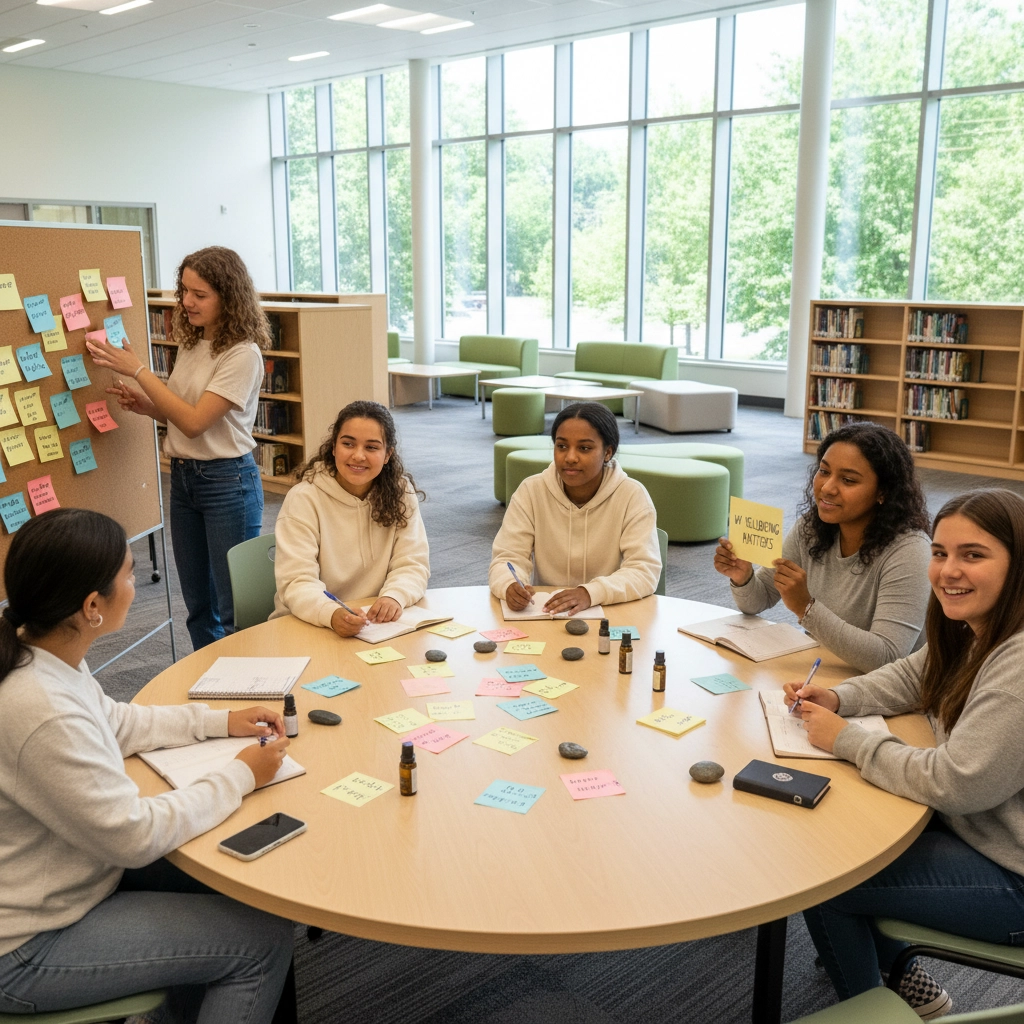
But here's what's really important: these screenings aren't about labeling kids or forcing them into treatment. They're about early identification and connection to resources. Think of it like regular vision or hearing screenings, but for emotional wellbeing.
Your teen might discover they're dealing with anxiety that has manageable solutions. They might learn coping strategies that help with stress. They might realize they're not alone in their struggles. Or they might find out they're doing great mentally and just need some validation of that fact.
How Your Family Can Join the Movement
Start Conversations at Home The most powerful thing you can do is normalize mental health conversations in your family. Talk about emotions the same way you talk about physical health. Ask your teens how they're feeling, not just how their day went.
Connect with BEACON Don't wait for a crisis to familiarize yourself with available resources. Explore the BEACON portal now, when you're not in emergency mode, so you know what's available if and when you need it.
Advocate in Your Community Attend school board meetings. Talk to your teen's teachers and counselors. Support mental health initiatives in your community. Your voice matters, and your advocacy helps create the supportive environment all teens need.

Prepare for Universal Screenings Talk with your teen about what universal mental health screenings will mean. Frame it positively: this isn't about finding problems, it's about ensuring support. Help them understand they'll have a voice in their mental health care.
Support Teen-Led Initiatives If your teen wants to start a mental health club at school or participate in peer support programs, champion those efforts. Teen-to-teen support often reaches places adult interventions can't.
The Ripple Effect Beyond Illinois
What's happening in Illinois isn't staying in Illinois. Other states are watching, learning, and preparing to follow suit. The teen-driven push for better mental health support is creating a national conversation about how we can do better.
When your family participates in this movement: whether through using new resources, advocating for continued progress, or simply having more open conversations about mental health: you're part of something much bigger than individual healing. You're helping create a culture where mental health matters, where getting help is normal, and where no teen has to struggle alone.
Looking Ahead: A New Normal
By 2027, when universal screenings begin, we'll be living in a completely different world when it comes to teen mental health support. But the transformation is happening now, in communities across Chicagoland, in families who are choosing to prioritize emotional wellbeing alongside academic and athletic achievement.

The teens who pushed for this change won't just benefit from it: they'll be the young adults who raise the next generation with completely different expectations about mental health support. They'll be the ones who never have to explain why mental health matters because it will be woven into the fabric of how we care for each other.
Your family's participation in this movement isn't just about navigating current challenges: it's about building the foundation for a healthier, more supportive future for all our children.
This transformation represents hope in action. It's what happens when we listen to our teens, believe their experiences, and commit to doing better. And it's just the beginning.
To learn more about mental health resources in the Chicago area or to connect with support services, visit our website or explore what's happening in our community through our events and programs. Your family's mental health journey matters, and you don't have to navigate it alone.
Comments